

Newborn Jaundice
Blog:Newborn Jaundice
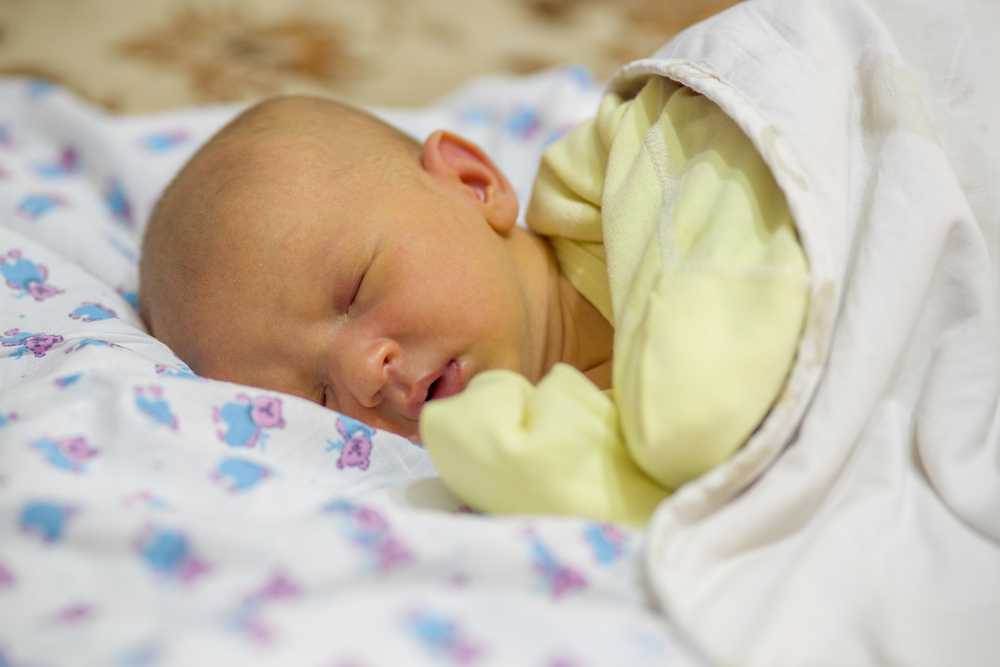
Newborn Jaundice
Newborn jaundice refers to the phenomenon where an infant’s skin and the whites of their eyes turn yellow due to a pigment called bilirubin. It typically appears around 2 to 3 days after birth and usually resolves within 1 to 2 weeks. Approximately 60% of full-term newborns and 80% of premature infants experience this physiological jaundice, which is distinct from pathological jaundice.
Physiological jaundice is a normal occurrence, but there are varying degrees of severity. In more severe cases, timely treatment is crucial to prevent complications such as kernicterus (a serious neurological disorder). If you notice any of the following conditions, seek evaluation by a pediatric specialist:
Persistent jaundice beyond the first 2 weeks of life.
Jaundice appearing within the first 24 hours after birth.
Elevated bilirubin levels beyond the therapeutic threshold.
Jaundice spreading to the arms, legs, or palms.
Signs of poor feeding or lethargy.
Remember that most cases of jaundice are temporary, but severe cases require prompt attention.




Contact Info
Hours of Operation
- Monday 10:00am - 1:00pm
- Tuesday 10:30am - 5:00pm
- Wednesday 10:30am - 2:30pm
- Thursday By Appointment Only
- Friday 10:30am - 5:00pm
- Saturday 9:00am - 1:00pm
- Sunday By Appointment Only
- Monday
- Tuesday
- Wednesday
- Thursday
- Friday
- Saturday
- Sunday
- Monday
- Tuesday
- Wednesday
- Thursday
- Friday
- Saturday
- Sunday
© 2026 Jae Hong Min, MD Pediatrics & Newborn Care Specialist. All rights Reserved - Accessibility Statement - Privacy Policy - Sitemap
Managed and Designed by 
